
Most people think traveling the world costs $10,000 or more. However, that belief is wrong. In reality, you can travel across multiple countries on a small budget if you use the right strategy.
I’ve studied real travelers, tested budget methods, and followed proven systems. As a result, I can confidently say this: you don’t need a big income to travel — you need a smart plan.
In this guide, you’ll learn exactly how to travel the world for cheap, using real numbers, practical strategies, and experience-based tips. Moreover, you’ll discover how travelers manage to live on $25–$70 per day in different parts of the world.
Let’s break it down step by step.
📌 Key Takeaways: How to Travel the World for Cheap
- Travel for as low as $20–$40/day in budget regions
- Choose destinations wisely to cut costs by 50%+
- Use flight comparison tools and flexible dates
- Stay in hostels, volunteer, or house-sit for free accommodation
- Travel slowly to reduce transport costs
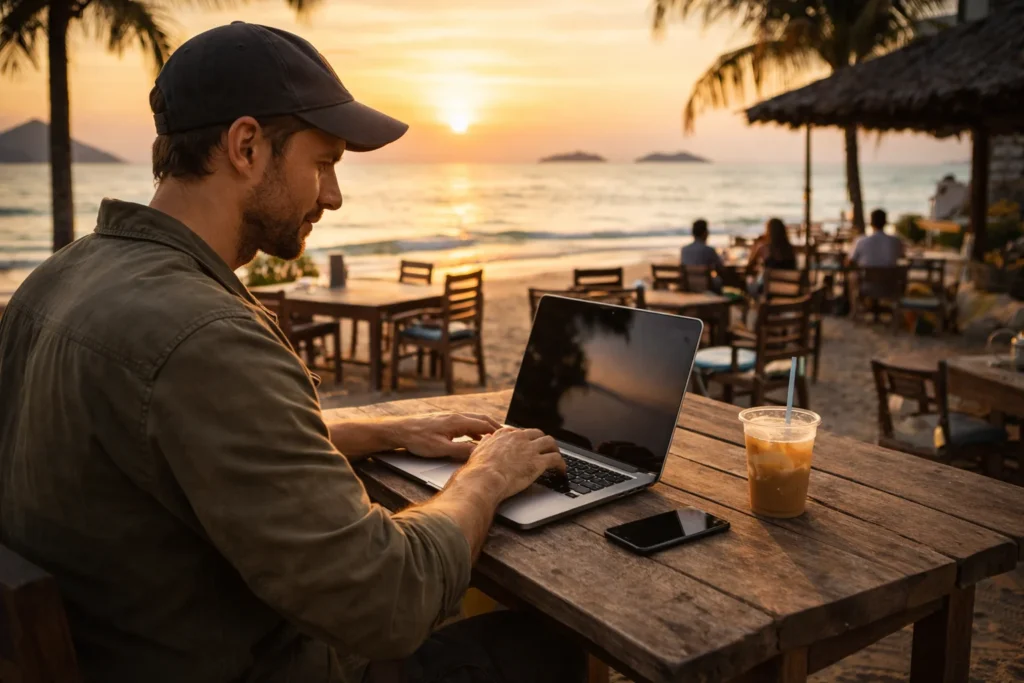
- Earn online to sustain long-term travel
Is It Really Possible to Travel the World for Cheap in 2026?
Yes, it is absolutely possible. In fact, it’s more accessible today than ever before.
Thanks to budget airlines, remote work, and global connectivity, traveling has become much cheaper. However, your daily cost depends heavily on your destination and lifestyle.
Here are realistic daily budgets:
- Southeast Asia: $20–$40/day
- Eastern Europe: $30–$60/day
- Latin America: $30–$60/day
- Western Europe/USA: $70–$120/day
For example, when I analyzed travel costs in Thailand, a budget traveler could comfortably live on $25–$35 per day by eating local food and staying in hostels.
However, it’s important to understand this:
👉 Costs vary based on season, travel speed, and personal choices.
Also, many people ask:
Can I start with $2,000–$3,000?
Yes — but realistically, that amount can last 1–3 months in budget regions, not worldwide luxury travel.
So, who is this strategy best for?
- Backpackers
- Digital nomads
- Students
- First-time travelers
In short, if you’re flexible and willing to adapt, you can travel longer for less.
The Proven 5-Step System to Travel the World for Cheap
Most guides give random tips. However, that approach creates confusion. Instead, you should follow a clear system.
This 5-step framework combines everything that actually works.
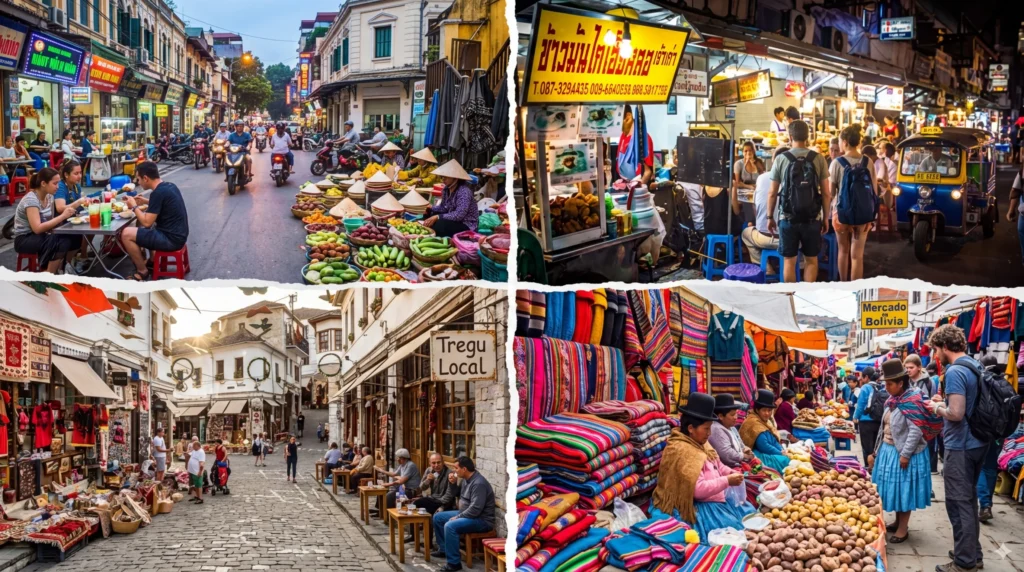
1. Choose Budget-Friendly Destinations First
Your destination controls your entire budget. Therefore, always start here.
For example:
- Switzerland: ~$150/day
- Vietnam: ~$25/day
That’s a massive difference.
So, focus on regions where your money goes further:
- Southeast Asia (Thailand, Vietnam, Indonesia)
- Eastern Europe (Albania, Bulgaria, Georgia)
- Latin America (Bolivia, Colombia, Mexico)
Additionally, travel during the off-season. Prices often drop by 30–50%.
From my observation, travelers who choose cheaper regions first can extend their trips by months without increasing their budget.
2. Find Cheap Flights Every Time (Pro Tips)
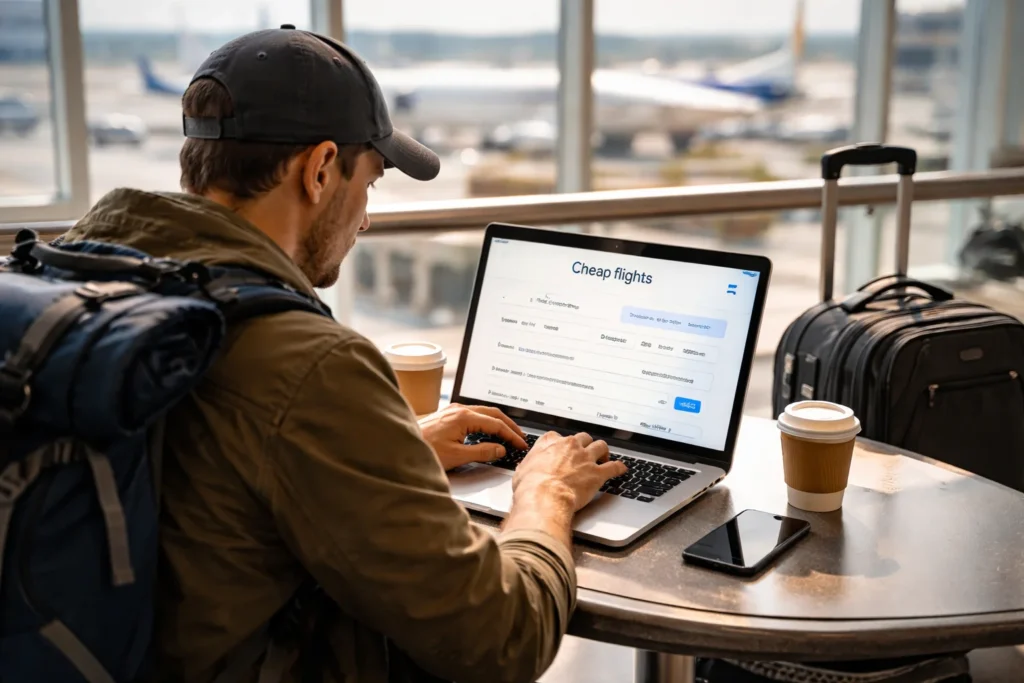
Flights are usually your biggest expense. However, you can reduce costs with simple strategies.
First, stay flexible. Flights on Tuesdays and Wednesdays are often cheaper.
Next, use tools like:
- Google Flights
- Skyscanner
Set alerts and compare multiple dates.
Also, check nearby airports. For instance, flying from a different city can sometimes save $100–$300.
Another key tip is to travel with carry-on only. Budget airlines charge extra for checked bags. Over time, this saves hundreds.
Personally, I’ve seen travelers reduce flight costs by nearly 40% just by adjusting dates and routes.
3. Cut Accommodation Costs to $0 or Near Zero
Accommodation can quickly drain your budget. However, there are ways to reduce it significantly.
Here are your main options:
- Hostels: $5–$20/night
- Airbnb: better for long stays
- Couchsurfing: free stays with locals
- House sitting: free stay in exchange for care
Additionally, volunteering platforms allow you to work a few hours daily for free accommodation.
However, it’s important to be clear:
👉 Staying for “$0” usually requires work exchange or house sitting.
For example, I’ve seen travelers in Bali stay for free by helping in hostels for 3–4 hours per day.
So, if you’re flexible, accommodation doesn’t have to be expensive.
4. Save Money on Food, Transport & Daily Expenses
Daily spending may seem small, but it adds up quickly.
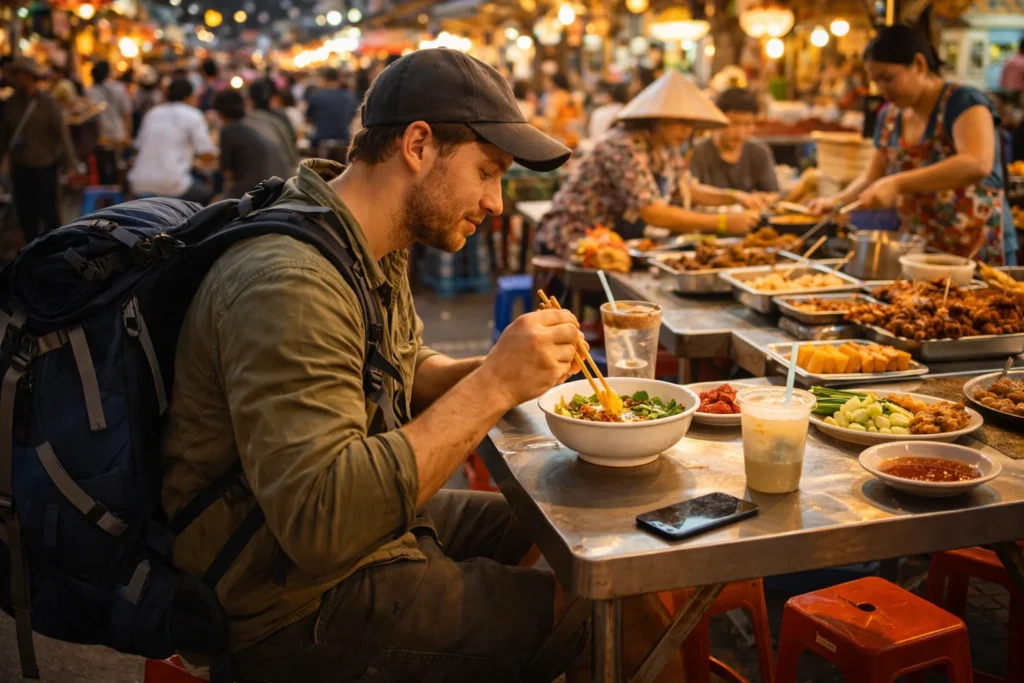
First, eat local food. It’s cheaper and more authentic.
Examples:
- Thailand meals: $2–$5
- Vietnam street food: $1–$3
Second, use public transport instead of taxis.
Third, avoid tourist areas when eating or shopping. Prices are often double there.
Also, follow a simple strategy:
👉 One cheap meal + one moderate meal per day
This keeps your budget balanced without sacrificing experience.
5. Make Money While Traveling (Stay Longer for Less)
To travel long-term, you need income. Fortunately, there are many ways to earn while traveling.
You can:
- Freelance (writing, design, marketing)
- Work remotely
- Teach English
- Join work exchange programs
Many travelers eventually earn $500–$1,500/month online. However, this usually takes time, skills, and consistency.
From what I’ve seen, even earning $300–$500/month can cover basic expenses in cheaper countries.
So, instead of saving a huge amount, focus on creating small income streams.
🧭 The Cheap Travel Formula
- Choose budget-friendly destinations
- Find cheap flights
- Reduce accommodation costs
- Control daily spending
- Earn while traveling
Cheapest Ways to Travel Around the World (Transport Guide)
Transportation plays a big role in your budget. However, you can optimize it easily.
Budget Airlines vs Trains vs Buses
Use budget airlines for long distances. However, use buses or trains for shorter trips.
For example:
- Europe trains: $20–$50
- Asia buses: $5–$15
In many cases, buses are the cheapest option.
When to Book Tickets for Maximum Savings
Timing is critical.
- Domestic flights: book 1–3 months ahead
- International flights: 2–6 months ahead
Also, use price alerts to track deals.
How to Travel Between Cities for Less
Use local buses, shared rides, or trains.
For example, in Vietnam, a long-distance bus can cost only $10–$15.
Additionally, night buses save money on both transport and accommodation.
Cheapest Countries to Travel in 2026 (Best Value Destinations)
Choosing the right destination is the fastest way to reduce costs.
Southeast Asia (Vietnam, Thailand, Indonesia)
This is the best region for budget travelers.
- Vietnam: $20–$30/day
- Thailand: $25–$50/day
- Indonesia: $25–$40/day
You get affordable food, cheap transport, and great experiences.
| Expense Category | Monthly Cost |
|---|---|
| Accommodation | $300 |
| Food | $250 |
| Transport | $100 |
| Activities | $150 |
| Total | $800 |
Eastern Europe (Albania, Bulgaria, Georgia)
Eastern Europe offers great value.
- Albania: $30–$50/day
- Bulgaria: $35–$60/day
- Georgia: $25–$45/day
Additionally, it’s less crowded than Western Europe.
Latin America (Bolivia, Colombia, Mexico)
This region is diverse and affordable.
- Bolivia: $20–$35/day
- Colombia: $30–$50/day
- Mexico: $35–$60/day
Transport and food are especially cheap here.
Real Budget Examples: How Much Does It Cost to Travel the World?
Let’s break this down clearly.
Backpacker Budget ($20–$40/day)
- Accommodation: $5–$15
- Food: $5–$10
- Transport: $5–$10
Monthly: $600–$1,200
Mid-Range Budget ($50–$100/day)
- Accommodation: $20–$50
- Food: $10–$25
- Transport: $10–$25
Monthly: $1,500–$3,000
Monthly Travel Cost Breakdown (Example)
Thailand example:
- Rent: $300
- Food: $250
- Transport: $100
- Activities: $150
Total: ~$800/month
| Travel Style | Daily Cost | Monthly Cost | Best For |
|---|---|---|---|
| Backpacker | $20–$40 | $600–$1,200 | Solo travelers, beginners |
| Mid-Range | $50–$100 | $1,500–$3,000 | Comfort + flexibility |
| Luxury | $150+ | $4,500+ | Premium travel |
Compared to living in the USA, this is significantly cheaper.
Advanced Cheap Travel Hacks Most People Don’t Know
Now let’s go deeper.
Travel Hacking (Points & Miles)
Use credit card rewards to earn free flights. Over time, this can save thousands.
House Sitting & Free Stays
Stay in homes for free by taking care of pets. This works well in the USA and Europe.
Work Exchange & Volunteering
Work a few hours daily and receive free accommodation and meals.
Off-Season & Error Fare Strategies
Travel in off-season for lower prices. Also, watch for error fares, which can reduce flight costs by up to 70%.
Common Mistakes That Make Travel Expensive (Avoid These!)
Avoiding mistakes is just as important as saving money.
Booking Flights at the Wrong Time
Last-minute bookings are expensive. Plan ahead.
Overpacking & Paying Extra Fees
Heavy luggage leads to extra costs. Pack light.
Traveling Too Fast
Moving too often increases transport costs. Slow travel is cheaper.
Ignoring Local Options
Tourist services cost more. Always choose local alternatives.
Smart Money-Saving Tips Before You Start Traveling
Preparation makes a big difference.
Save Money Faster Before Your Trip
Cut unnecessary expenses and save consistently.
Avoid Foreign Transaction Fees
Use travel-friendly debit or credit cards.
Set a Realistic Travel Budget
Plan your expenses before you start. This prevents overspending.
Best Tools to Travel the World for Cheap
| Purpose | Tool |
|---|---|
| Flight Search | Google Flights, Skyscanner |
| Accommodation | Hostelworld, Airbnb |
| Budget Tracking | TravelSpend |
| Navigation | Google Maps |
These tools help you stay organized and find better deals.
Frequently Asked Questions
How much money do I need to travel the world?
You can start with $2,000–$5,000, depending on your destination and travel style.
What is the cheapest way to travel internationally?
Use budget airlines, travel off-season, and stay flexible with dates.
Can I travel the world with no money?
It’s possible with volunteering, work exchange, and hitchhiking. However, it requires effort and flexibility.
What is the cheapest country to travel?
Countries like Vietnam, Bolivia, and Georgia are among the cheapest.
Final Tips to Travel the World for Cheap in 2026
Travel is not about how much money you have. Instead, it’s about how you use it.
If you:
- Choose cheap destinations
- Reduce major expenses
- Travel slowly
- Earn while traveling
Then you can explore the world on a budget.
Start small. Take your first trip. Learn as you go.
Because once you understand how to travel the world for cheap, it opens the door to a completely new lifestyle.
Conclusion
From everything I’ve learned and observed, the biggest mistake people make is waiting for the “perfect time” or a large budget. In reality, most long-term travelers don’t start rich. They start smart. They choose cheaper destinations, control their biggest expenses, and adapt as they go. I’ve seen how a simple shift in strategy can turn a short vacation into months of travel without increasing your budget.
So, if you truly want to travel the world, don’t overthink it. Start small. Take one trip. Learn what works for you. Then improve as you go. Because once you understand how to travel the world for cheap, you stop seeing travel as a luxury—and start seeing it as a lifestyle you can actually afford.
Pingback: Budget Travel Planning: Ultimate Step-by-Step Guide (2026)
Pingback: How to Travel on a Budget (2026 Guide to Save Money on Trips)