

Traveling sounds exciting. But for many people, money becomes the biggest problem. Flights feel expensive. Hotels look overpriced. And daily expenses quickly go out of control. So, most people delay their trips or cancel them completely.
I faced the same struggle when I first started traveling. I used to think travel was only for people with big budgets. However, after learning smart planning, I realized that it’s possible to travel without spending too much. In this guide, I will show you exactly how to travel on a budget using real strategies that actually work.
To build a strong foundation, you should first understand this complete budget travel planning guide that explains the full system behind affordable travel.
💡 Budget Travel Quick Formula
- Plan early and stay flexible
- Travel during off-season
- Use flight comparison tools
- Choose budget accommodation
- Track daily expenses
The Budget Travel System (Step-by-Step Framework)
To truly master how to travel on a budget, you need a repeatable system.
Step 1 – Choose a Budget-Friendly Destination
Start by selecting places where your money lasts longer.
For example:
- Mexico → affordable and close to the USA
- Colombia → low daily costs
- Thailand → very cheap lifestyle
On the other hand, cities like New York require stricter budgeting.
Step 2 – Set a Realistic Travel Budget
This step becomes easier when you follow a structured travel budget planning process used by experienced travelers.
Next, define your daily and total budget.
Here’s a realistic breakdown:
| Expense Category | Budget Range (Per Day) | Tips to Save Money |
|---|---|---|
| Accommodation | $10–50 | Hostels, Airbnb |
| Food | $10–30 | Local food, cook meals |
| Transport | $5–20 | Public transport |
| Activities | $5–25 | Free attractions |
Divide your budget into:
- Flights
- Accommodation
- Food
- Activities
This helps you stay in control.
Step 3 – Book Smart (Flights + Accommodation)
Booking is where most savings happen.
Use tools like:
- Skyscanner
- Google Flights
- Hopper
- Booking.com
Updated Flight Timing Strategy (IMPORTANT)
- Domestic flights: 1–3 months before departure
- International flights: 2–8 months in advance
- Peak season: book earlier
Prices change often. Therefore, always track fares instead of relying on fixed days.
If you’re traveling within the US, learning the cheapest way to travel in the USA can help you cut flight and transport costs dramatically.
Step 4 – Optimize Daily Spending
While traveling, small decisions make a big difference.
For example:
- Use public transport
- Eat local food
- Walk instead of taking taxis
So, your daily expenses drop quickly.
Step 5 – Track and Adjust Your Budget
Track your spending daily.
You can:
- Use budget apps
- Keep simple notes
This way, you avoid overspending and stay disciplined.
How to Plan a Budget-Friendly Trip (Before You Travel)
Planning is the foundation of budget travel.
Travel During Off-Season
Prices drop significantly outside peak months.
For example:
- Europe → cheaper in winter
- Beach destinations → cheaper after summer
So, timing can save you hundreds of dollars.
Be Flexible With Dates and Destinations
Flexibility gives you better deals.
Instead of fixed plans:
- Compare different dates
- Explore alternative destinations
As a result, you find cheaper options easily.
Use Price Comparison Tools
Flight comparison tools help you:
- Track fare changes
- Set alerts
- Compare airlines
Therefore, you always book at the right time.
How to Save Money on Flights ✈️
Flights are usually the biggest expense. However, you can reduce this cost with smart strategies.
Use Flexible Search Tools
Platforms like Google Flights show cheaper dates.
So, you can pick the lowest fares quickly.
Set Price Alerts
Apps like Hopper notify you when prices drop.
This helps you book at the perfect time.
Advanced Flight Hacks
You can also use:
- Budget airlines
- Nearby airports
- Error fares
These methods can reduce costs by up to 50%.

Budget Accommodation Options (Where to Stay Cheap)
Accommodation is your second biggest expense.
Affordable Stay Options
Choose based on your budget:
- Hostels → cheapest
- Airbnb → good for groups
- Budget hotels → balance of comfort
This gives you flexibility.
Free or Low-Cost Options
To save more:
- Couchsurfing
- House sitting
- Work exchange
Although these require effort, they can reduce costs significantly.
Smart Booking Tips
- Book early
- Use discounts
- Stay longer for better rates
So, your average cost decreases.

How to Save Money on Food While Traveling
Food costs add up fast. However, you can control them easily.
Eat Like a Local
Avoid tourist restaurants.
Instead:
- Try street food
- Visit local markets
This saves money and improves your experience.
Cook Your Own Meals
If possible:
- Buy groceries
- Cook simple meals
This cuts costs by nearly half.
Smart Dining Tips
- Use free breakfasts
- Choose lunch over dinner
- Share meals
So, you spend less without sacrificing quality.

Transportation Tips to Travel Cheap
Transportation can increase costs quickly if not planned well.
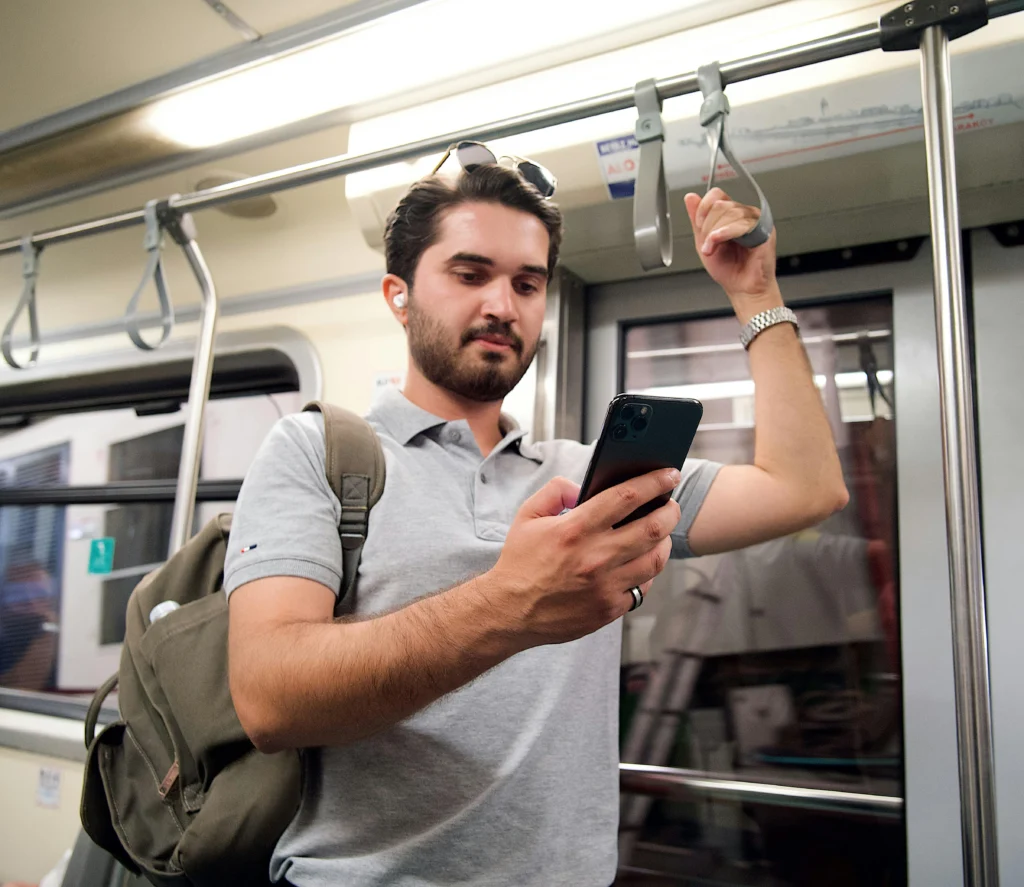
Use Public Transport
Instead of taxis:
- Buses
- Metro systems
- Trains
For example, major US cities have efficient transport systems.
Walk or Rent Bikes
Short distances do not need vehicles.
Walking helps you:
- Save money
- Explore more
Also, bikes are cheap and convenient.
Budget Travel Tips for USA Travelers 🇺🇸 (IMPORTANT)
If you are traveling from or within the USA, use these strategies:
Choose Affordable US Destinations
Some budget-friendly cities include:
- Austin
- Denver
- Las Vegas (off-season)
These offer great experiences at lower costs.
Use Budget Transport Options
Instead of flights:
- Buses (like Greyhound)
- Trains (Amtrak deals)
This reduces travel expenses.
Domestic vs International Travel
- Domestic trips → easier but sometimes expensive
- International trips → cheaper in places like Mexico or Asia
So, compare both before deciding.
Real Budget Travel Example (From Experience)
On one of my trips, I planned a 7-day budget journey:
- Flights: $280
- Accommodation: $210
- Food: $130
- Activities: $90
Total: $710
I saved money by:
- Traveling off-season
- Using budget accommodation
- Tracking daily expenses
This shows how effective planning can be.
| Category | Budget Travel | Expensive Travel |
|---|---|---|
| Flights | Economy deals | Premium tickets |
| Stay | Hostels/Airbnb | Luxury hotels |
| Food | Local meals | Fine dining |
| Transport | Public transport | Private taxis |
Budget Travel Mindset (Underrated Strategy)
Most people ignore this. However, mindset is key.
Avoid Impulse Spending
Before buying anything, ask:
“Do I really need this?”
This simple habit saves money.
Focus on Experiences, Not Luxury
Travel is about memories—not expensive hotels.
So:
- Choose experiences
- Skip unnecessary upgrades
Set Daily Spending Limits
Decide a daily budget and stick to it.
This keeps your spending under control.

Advanced Budget Travel Tips
Use Travel Rewards and Points
Many US travelers use:
- Credit card rewards
- Airline miles
This can reduce flight costs significantly.
Live Like a Local
Avoid tourist areas.
Instead:
- Stay in local neighborhoods
- Use local services
This saves money and improves your experience.
Avoid Tourist Traps
Tourist areas often charge higher prices.
So:
- Research before visiting
- Find hidden spots
Common Budget Travel Mistakes to Avoid
Avoid these common errors:
| Do ✅ | Don’t ❌ |
|---|---|
| Book early | Book last minute |
| Use budget tools | Ignore price comparison |
| Track expenses | Overspend daily |
| Travel off-season | Travel peak season |
- Overpacking (extra baggage fees)
- Booking too late
- Ignoring hidden costs
- Not tracking expenses
Awareness helps you avoid unnecessary spending.
Final Tips to Travel on a Budget Every Time
To master how to travel on a budget, follow these rules:
- Plan early
- Stay flexible
- Use the right tools
- Track your spending
Most importantly, focus on value—not just price.
You can combine these strategies with additional smart budget travel tips to maximize your savings.
FAQs About Budget Travel
How can I travel with very little money?
Choose budget destinations, stay in hostels, and use public transport.
What is the cheapest way to travel?
Use budget airlines, travel off-season, and book early.
Is $1000 enough for a trip?
Yes. With proper planning, it can cover a short trip.
How do I plan a budget trip step by step?
Choose a destination, set a budget, book smart, and track expenses.
How much money do I need per day when traveling?
Budget travelers typically spend $40–70 per day.
📌 Key Takeaways
- Budget travel is about smart planning
- Small savings add up quickly
- Flexibility helps you find better deals
- Tracking expenses keeps you on budget
Final Thought
Over time, I have learned that budget travel is not about sacrificing comfort. Instead, it is about making smarter decisions at every step. I have personally saved hundreds of dollars just by choosing the right timing, using budget tools, and tracking my expenses daily. As a result, I have been able to travel more often without financial stress. If you follow these strategies consistently, you can do the same and turn travel into a regular part of your life. For a complete roadmap, revisit this budget travel planning guide and apply these steps consistently.
Pingback: Budget Travel Planning: Ultimate Step-by-Step Guide (2026)